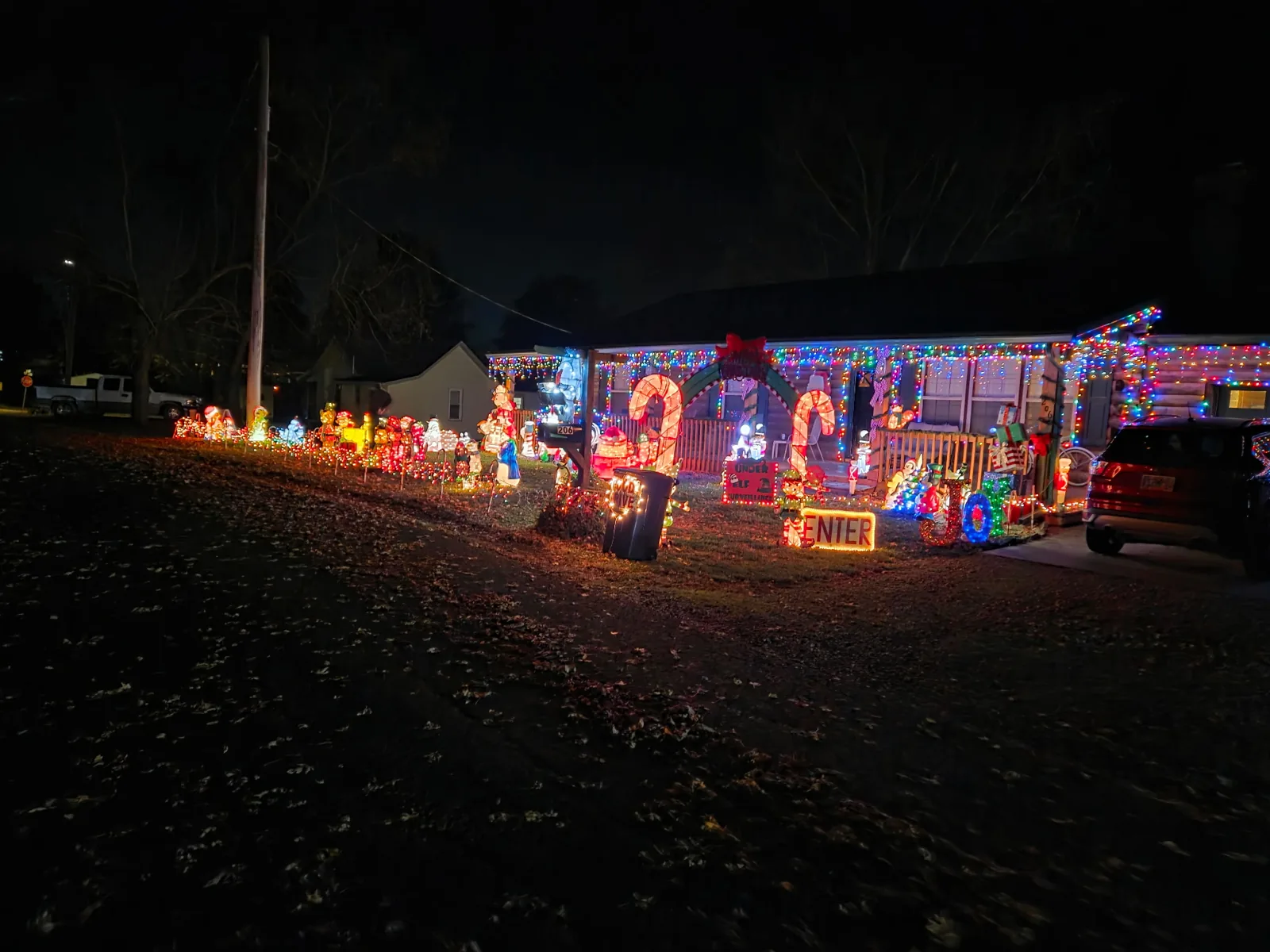
Make the most of your visit and your own holiday displays
How to get the most out of your visit
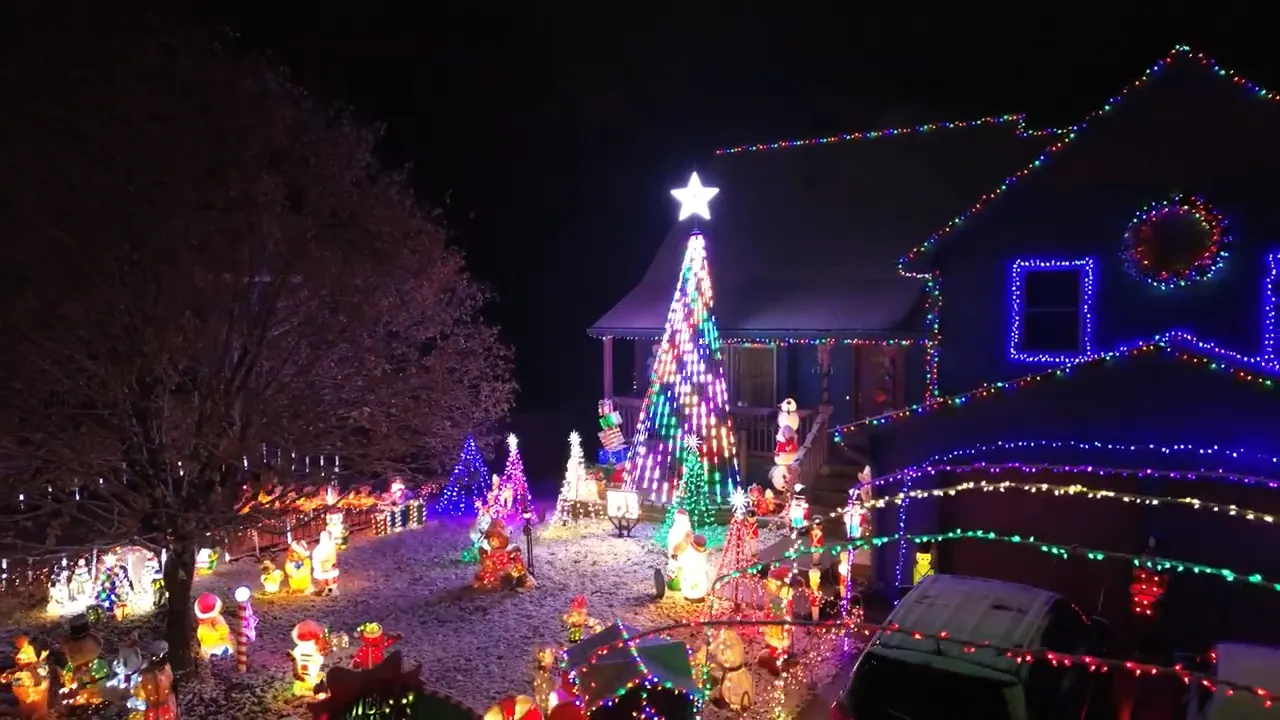
The lights don't look like much during twilight. Wait until it's fully dark out, usually about 30 minutes after sunset. That's when the colors really pop and the light-to-music sync is most noticeable.
This is the part people forget! Our shows are synchronized to music on a low-power FM station. When you pull up, look for the sign with the frequency and tune your car radio. It makes a huge difference compared to watching the lights in silence.
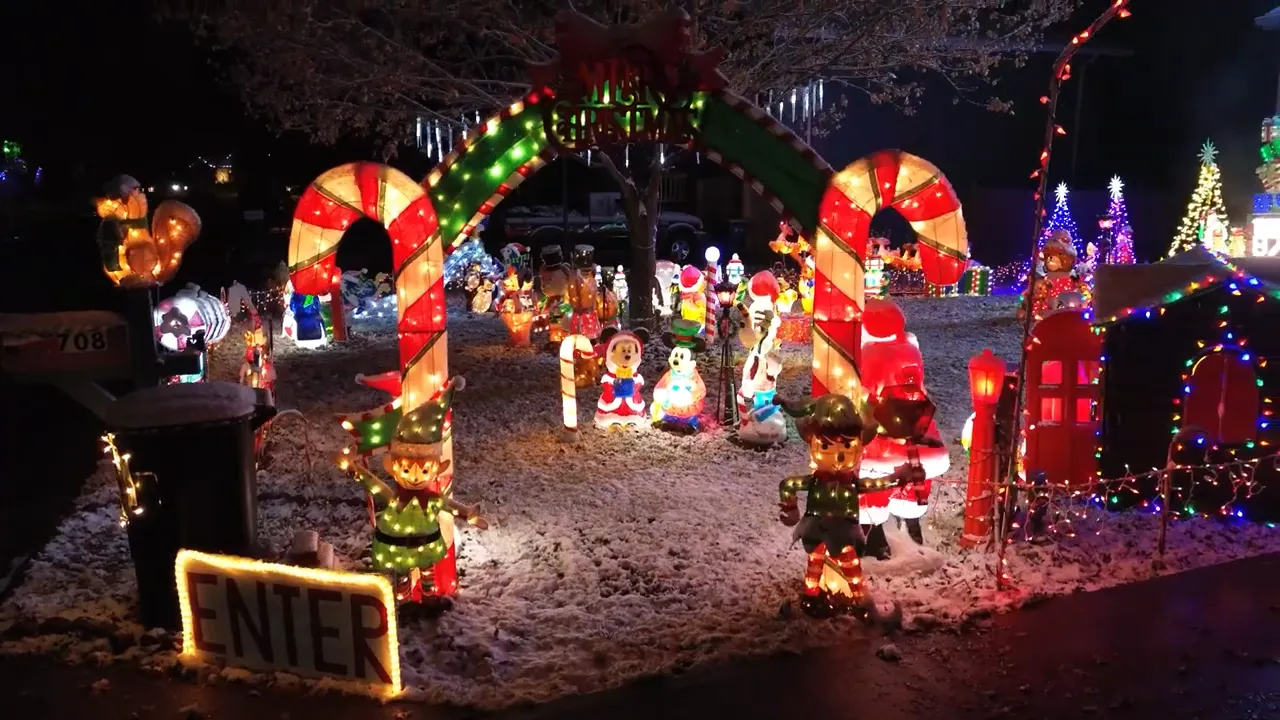
The show is designed to be watched from your car. You'll see the best angles and hear the music through your radio. If the weather's nice, roll down the windows. On cold nights, crank the heat and enjoy it from inside.
Hot chocolate, coffee, apple cider, whatever your family likes. Throw some snacks in a bag too. The kids will be happier and you can take your time watching without anyone getting antsy.
Friday and Saturday nights are the busiest. If you can swing it, Monday through Thursday is way less crowded and you can sometimes sit and watch multiple song cycles without feeling like you need to move along.
We run rain or shine, but heavy snow or ice can make roads tricky. If you're driving from out of town, check road conditions before heading out. We'd rather you get here safe than fast.
Grandparents, cousins, the dog (as long as they stay in the car). Seriously, we've seen entire caravans of families pull through together. It's a good excuse to get everyone in one place.
Each song in the show runs a few minutes. If you pull up in the middle of a song, just wait for the next one to start from the beginning. You'll get the full effect that way.
How to actually get good photos of Christmas lights
This is the number one mistake. Your phone's flash will blast everything white and wash out the lights completely. Turn it off. The Christmas lights themselves are your light source.
iPhones, Samsung, Pixel phones all have a night mode now. Turn it on. It keeps the shutter open longer and pulls in way more light. The difference between a night mode photo and a regular one is night and day (pun intended).
Night mode needs you to hold still for 1-3 seconds. Rest your phone against the car window, the steering wheel, or a dashboard mount. Any movement will blur the shot. A cheap phone tripod from Amazon works great if you want to get serious about it.
If it's cold out and you're shooting from the car, make sure your window is clean. Smudges, fog, and water droplets will scatter the light and make your photos look hazy. Roll the window down for the clearest shot if you can handle the cold for a second.
Photos can't capture the animations or the music sync. A 30-second video clip does. Most phones shoot decent video in low light now. If you want to share the experience with someone who couldn't make it, video is the way to go.
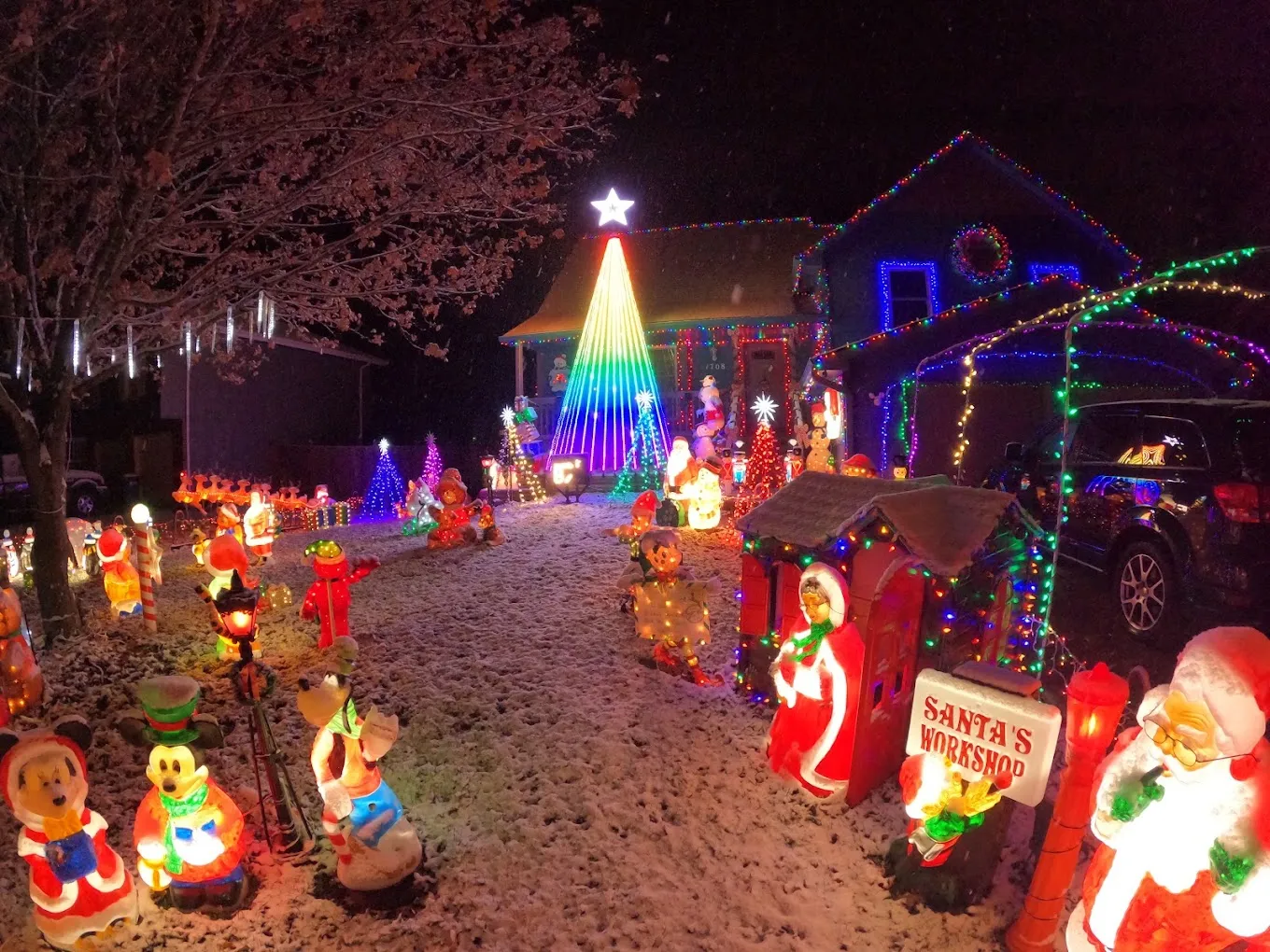
Take one photo that shows the whole display from a distance, then zoom in on the details you like: a specific figure, the pixel tree during a color change, or a section that caught your eye. The wide shot shows the scope, the close shot shows the craft.
It's tempting to crank up the brightness in post, but that usually washes out the colors. Christmas lights already have great color. If anything, slightly lower the exposure and bump the saturation a tiny bit. Less is more.
Thinking about putting up your own lights? Here's what we wish we knew when we started
You don't need 10,000 lights your first year. Start with your roofline and one or two yard pieces. Get a feel for what takes time and what doesn't. You can always add more next year.
LEDs cost more upfront but they last for years, use way less power, and they don't get hot enough to be a fire risk. A big display on incandescent bulbs will run up your electric bill fast. LEDs pay for themselves in a couple seasons.
Before you buy anything, figure out your outlet situation. How many outdoor outlets do you have? How many amps can each circuit handle? Tripping breakers on opening night is not fun. We speak from experience.
Get outdoor smart plugs or a timer. Set your lights to turn on at sunset and off at a reasonable hour. Your neighbors will thank you, and you won't have to go outside every night to flip a switch.
When you take the lights down in January, label every strand and every extension cord. Write which section of the house it goes on. Future you will be very grateful in November when you're trying to remember what goes where.
Wrap each strand around a piece of cardboard or a light reel. Don't just throw them in a box. Tangled lights are the fastest way to kill your motivation next season. Plastic storage bins keep them dry and safe.
Plug in every single strand on the ground before you put them up. Finding a dead section after you've already stapled it to the roofline is the worst. Test first, hang second.
If your display is going to get bigger, let your neighbors know. Most people love it. Some might have concerns about traffic or brightness. It's better to have that conversation early than deal with complaints later.
Guides on choosing bulbs, syncing lights to music, and more
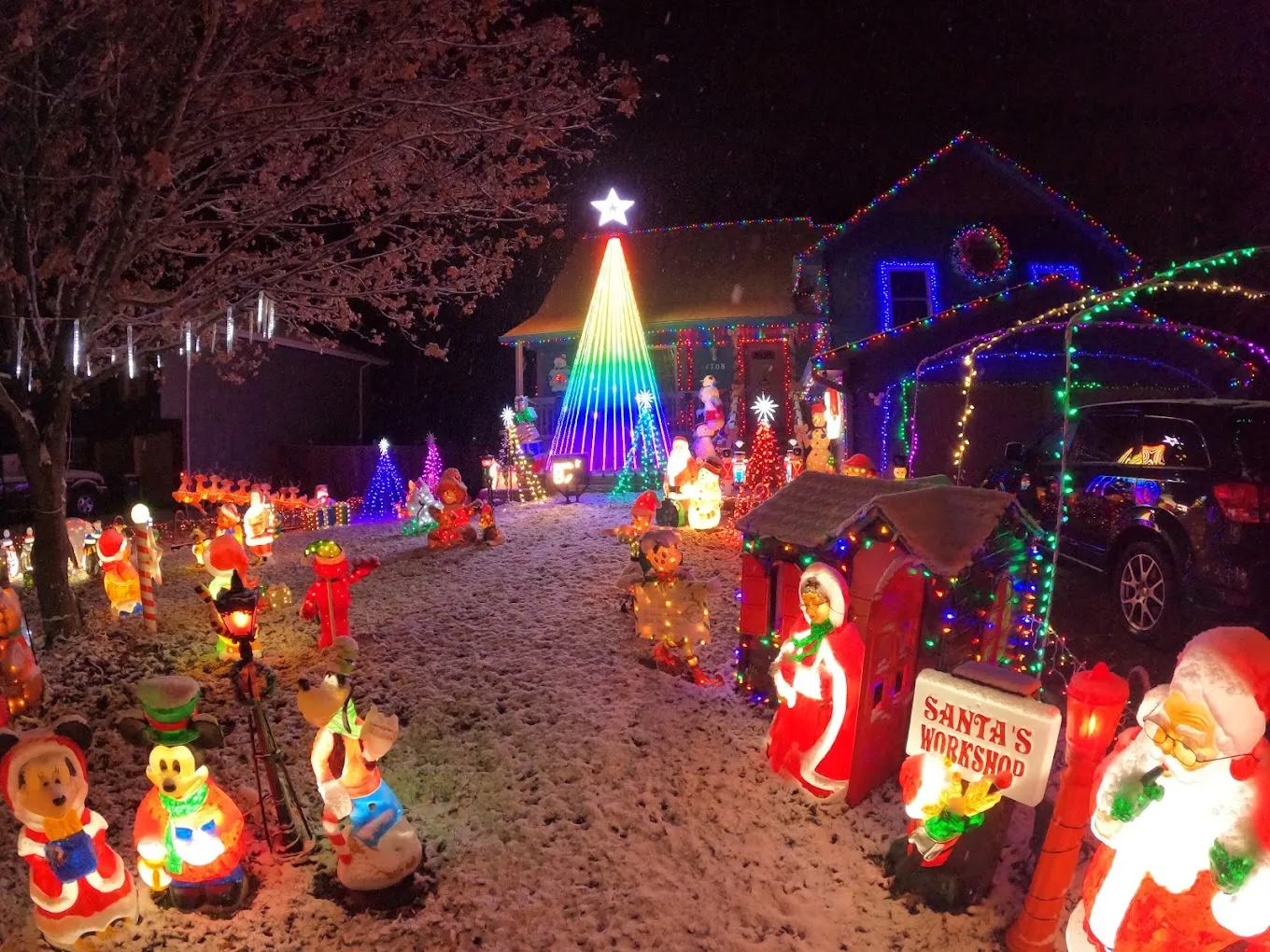
Classic string lights, LED projectors, and everything in between.
Read More
Incandescent, LED, mini, globe, icicle, twinkle: every bulb type explained.
Read More
Sync your lights to music with software like Light-O-Rama and XLights.
Read More
What actually goes into building a Christmas display, inside and out.
Read More
Decorating tips and lighting ideas to make your home look great.
Read More
How to keep your family and your house safe with Christmas lights.
Read More