Christmas light safety
Most of this is common sense, but it's easy to skip when you're up a ladder in the cold.
Buy lights that have been tested
Look for a UL or ETL mark on the box or the cord tag. Either one means an independent lab tested that product. For anything going outside, make sure the package says it's rated for outdoor use.
Check every strand before it goes up
Plug each strand in on the ground first. Look for cracked sockets, bare wire, or a cord that's been pinched, and throw out anything damaged instead of taping it up.
Don't overload a circuit
The package tells you how many strands you can connect end to end, so stick to it. If a circuit breaker keeps tripping, that circuit is telling you something. Move part of the load to a different one.
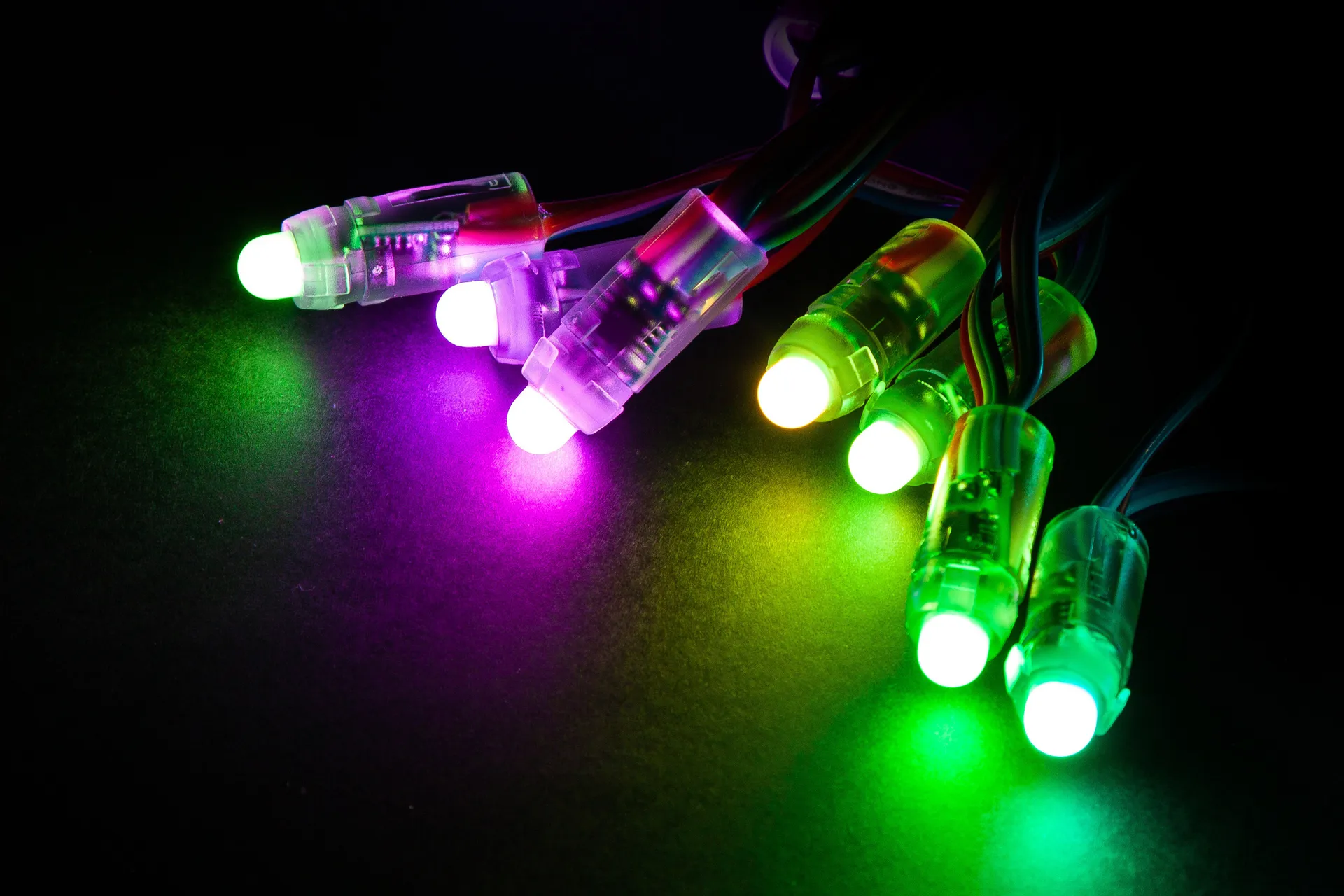
Keep outdoor connections dry
Plug outdoor lights into a GFCI-protected outlet, and keep plugs and connections up off the ground where snow and puddles can't reach them. Our Wisconsin show knows this one well: when the snow piles up, the circuit breaker trips and the lights go dark for the night.
Hang them the right way
Use plastic light clips, never nails or metal staples, which can cut through the insulation. Indoors, keep hot incandescent bulbs away from fabric and paper.
When the season's over
Unplug everything before you take it down. Store the lights somewhere cool and dry, and check them again next year before they go back up.
Next, the lightbulb guide covers which bulbs to buy, and 5 tips for lighting up your house covers where to put them.